
Supplying calves with iron – an underestimated bottleneck in whole milk feeding
5. März 2026 — Immunisation, Calf Feeding — #Iron supplementation #Calving assistance #Calf Health #Whole milk
There are many different opinions on how to provide calves with iron. ‘Preliminary findings.’
When it comes to calf rearing, supplying colostrum, hygiene and energy balance are often key components of management. However, one nutrient often gets overlooked: iron. This topic is particularly important in the first few weeks of life, as iron not only influences blood formation, but can also shape the resilience and dynamics in the development of young calves.
This article is about
The crux of the problem is easily explained: whole cow's milk is naturally low in iron. If calves are fed mainly whole milk over a long period while consuming only small amounts of solid feed, this can lead to nutritional deficiencies – often without any immediately apparent symptoms.
Why does iron deficiency occur so readily in the first weeks of life?
Iron plays a central role in the formation of haemoglobin and is therefore crucial for oxygen transport. Young calves grow rapidly, build up blood volume and develop a metabolism and immune system. Calves require 100 mg of iron per day. However, whole milk alone does not provide sufficient iron, as it contains only approx. 0.5 mg per litre. Even if a calf consumes 10 to 15 litres of milk per day, it will only take in 5 to 8 mg of iron daily. This is less than 10% of its requirement.
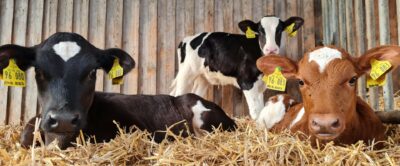
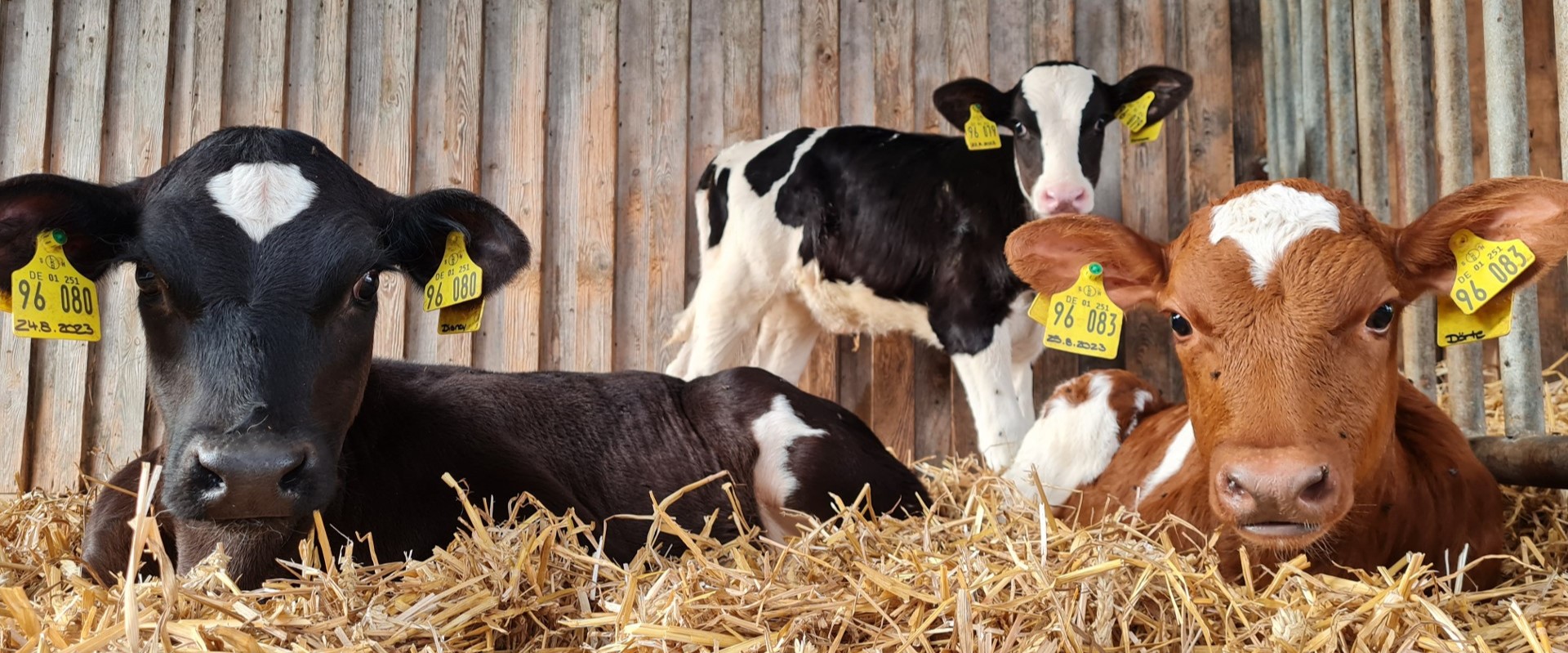
It is important to note that not every calf will become clinically ill as a result. Subclinical undersupply occurs more frequently and can manifest itself in weaker vitality, a more heterogeneous group composition or a slower rate of development.
What consequences can an insufficient supply have?
The classic consequence is iron-deficiency anaemia – which can be measured by haemoglobin or haematocrit values. However, low iron levels can have a limiting effect even without any pronounced anaemia if calves are already experiencing stress (e.g. due to relocation, periods of diarrhoea or changes in type of feed).
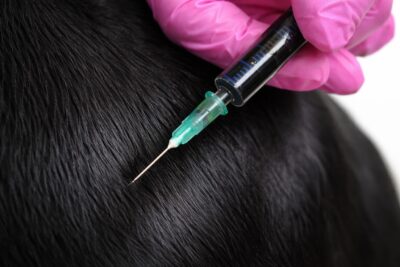
Iron dextran injection (AI-generated)
An extensive field study[1] conducted in the United Kingdom with calves fed whole milk showed that iron dextran injections resulted in higher levels of haemoglobin and, on average, better daily weight gains in the first weeks of life. This is particularly relevant for farms that use whole milk as an economically attractive feed and therefore wish to ensure stable and predictable rearing conditions.
[1] Allan, J.; Plate, P.; Van Winden, S. (2020). The Effect of Iron Dextran Injection on Daily Weight Gain and Haemoglobin Values in Whole Milk Fed Calves. Animals 10(5):853.
Case study in Canada
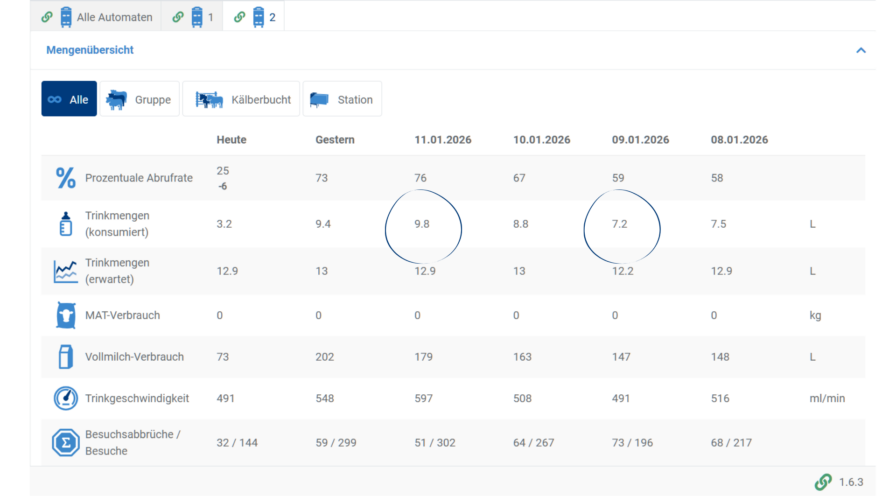
We recently became aware of problems with a customer in Canada in one particular case. The call rates on the CalfExpert were poor and the general health of the calves was not ideal. After many other measures had proved unsuccessful, the customer gave the calves an iron injection and within two days their condition had completely turned around.
New theory: no iron for calves
Nevertheless, experts are increasingly saying that fortifying whole milk with iron supplements should be viewed critically, as pathogenic germs need iron to develop. High and early iron supplementation would promote their development and could therefore cause diarrhoea.
Such diarrhoea can also be caused by an increase in the osmolality of whole milk resulting from the addition of minerals by the supplement. You can read more about the background to this here in the Holm & Laue blog.
So what now? Iron supplementation: yes or no?
The most effective strategy is prevention that suits the feeding system. International studies compare both oral and parenteral routes of administration (bypassing the gastrointestinal tract, e.g. by injection). Both can improve blood test results – but the decisive factor is reliability of delivery. Targeted supplementation can be very useful when a deficiency has been confirmed – the important thing is to get the dosage right. This is because accurate measurement is just as important as it is difficult, especially when it comes to supplements for whole milk.
A three-pronged approach has proven effective in practice:
A three-pronged approach has proven effective in practice:
- Plan for iron supplementation in the whole milk concept (don't wait until problems emerge before taking action).
- As an option to whole milk fortification, consider a single iron supplement administered as an oral paste or injection.
- Encourage early and stable solid feed intake, as solid feed contains sufficient iron.
Conclusion: iron is a small building block with various effects
Iron supplementation is not a special consideration in individual cases, but rather a management decision on farms where whole milk is fed. After all, insufficient provision can quickly lead to a bottleneck. Whether iron supplementation is necessary depends on the general health of your calves.
However, it is important to be aware of the risks associated with the indiscriminate use of iron supplements in whole milk, as excessive intake can potentially cause diarrhoea.
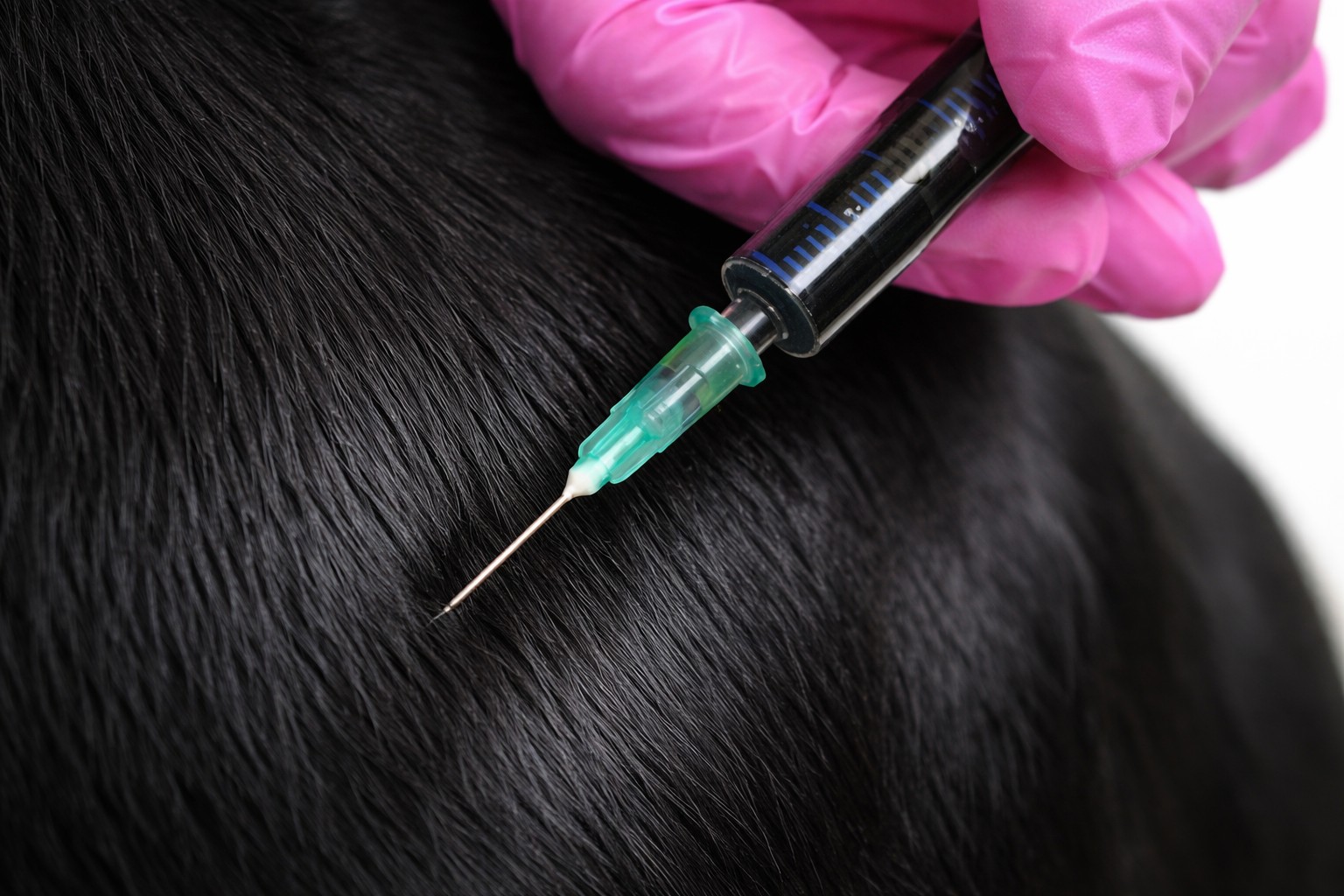 Iron dextran injection (AI-generated)
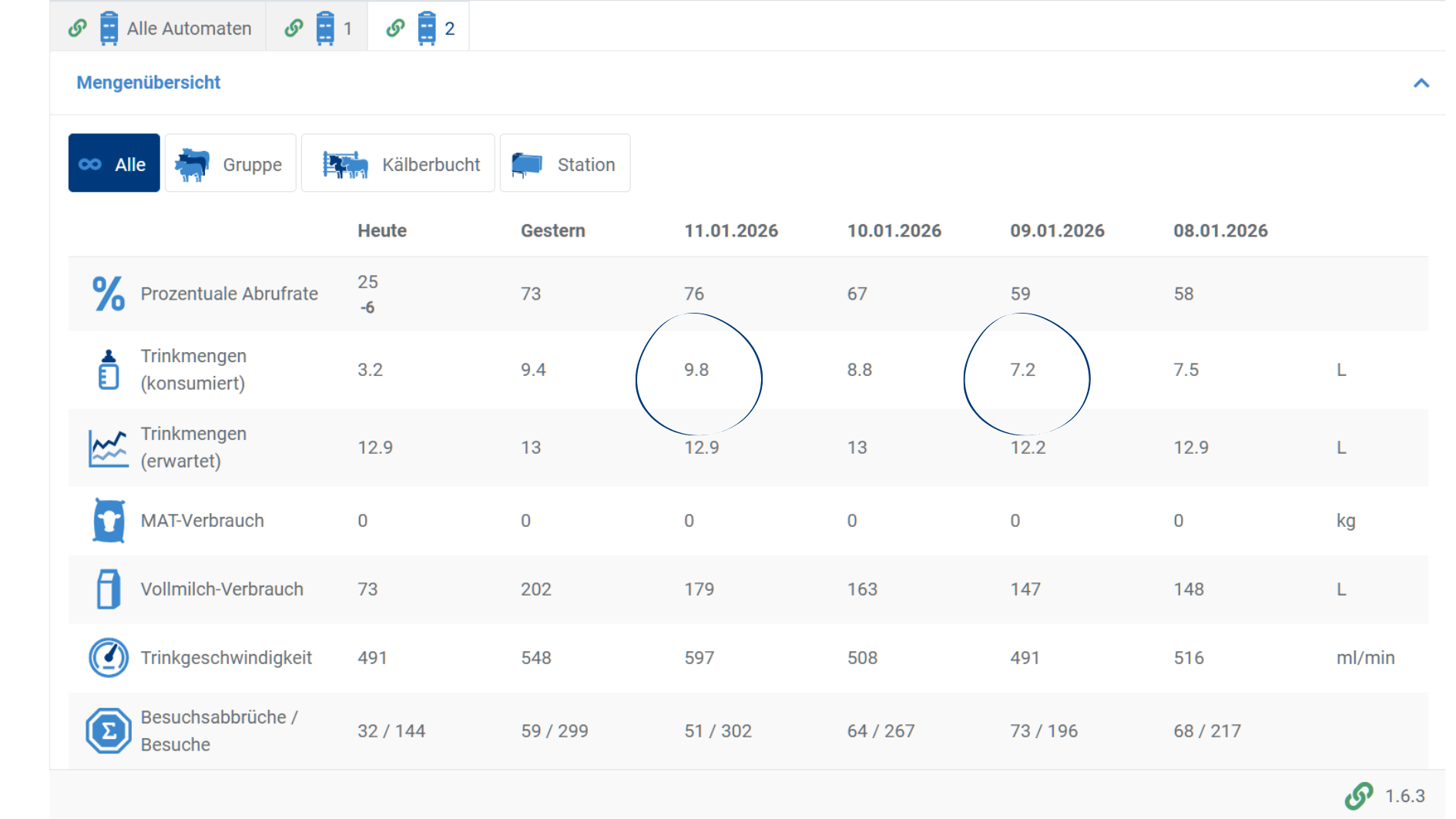 The screenshot of the CalfExpert machine overview clearly shows the following details: the iron injection was administered on 9 January, and by 11 January the calves were already drinking 2 litres more (feed quantities (consumed) – second line). At the same time, the number of ‘aborted visits’ (first value in the last row) decreased significantly.