Trust is good, verification is better
12. Juni 2026 — General Information — #Colostrum #Controlling #Management #Growth
The significance of collecting data for successful calf rearing.
Raising healthy, high-performing calves is not a matter of chance. It is the result of rigorous work and, most importantly, systematic monitoring and optimisation. Understanding, measuring and monitoring processes lays the foundation for the long-term success of a dairy farm.
This article is about
1. Colostrum quality: the most important start in life
The quality of colostrum is crucial to the health of a calf. Only high-quality colostrum supplies sufficient antibodies to ensure a successful start in life.
What really matters.
The usual criteria, such as the quality, quantity and timing of colostrum feeding, are, of course, key.
However, attention should also be paid to ensuring that colostrum is collected and stored hygienically. Particular consideration should be given to the following aspects:
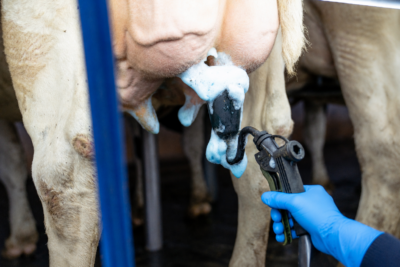
- A thoroughly clean milking process to ensure low bacterial counts
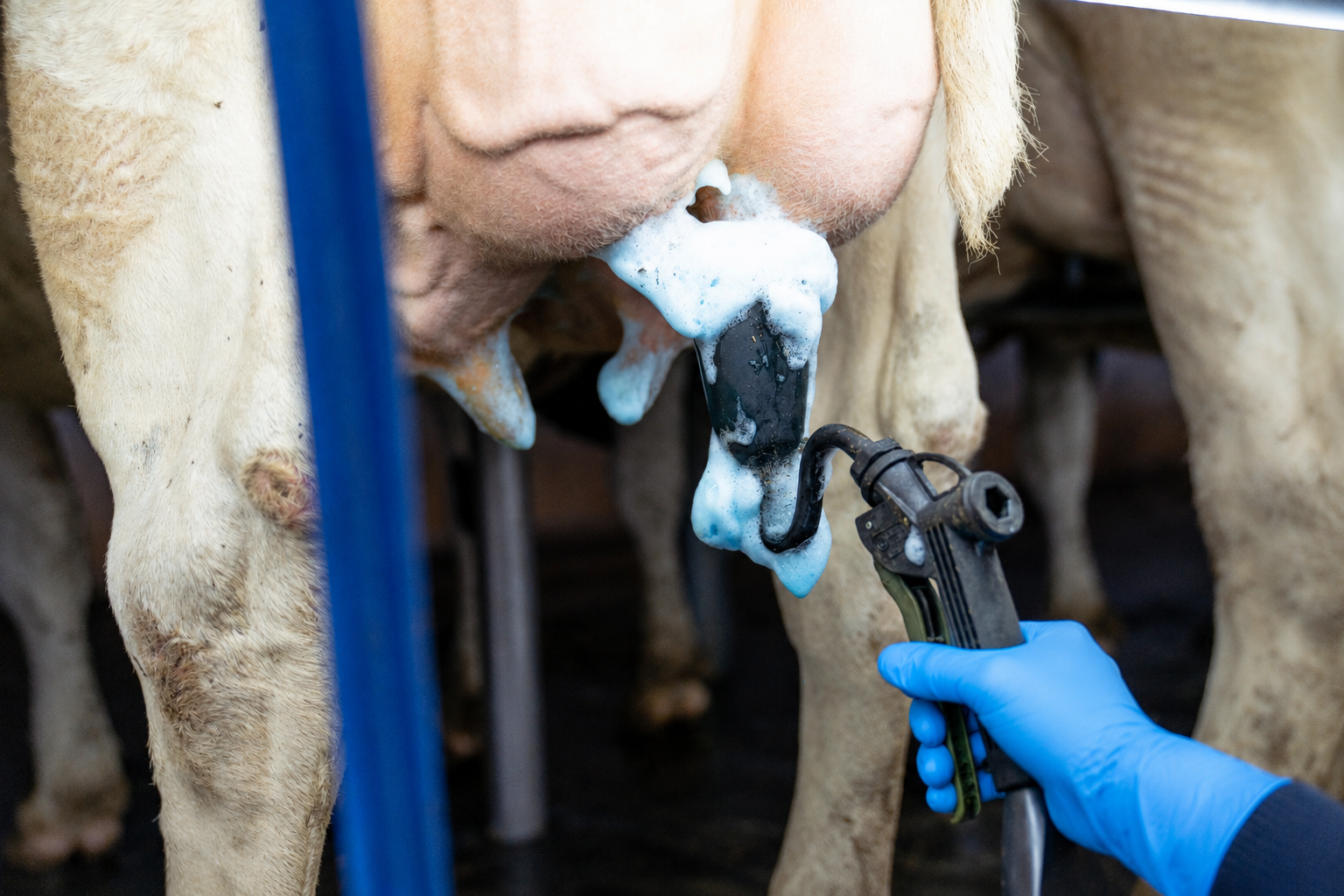
- Thorough cleaning of teats and complete emptying of the sealing device
- The use of clean milking containers/buckets, which are best used exclusively for colostrum
- Timely processing: it should either be fed immediately or refrigerated
Measuring quality accurately
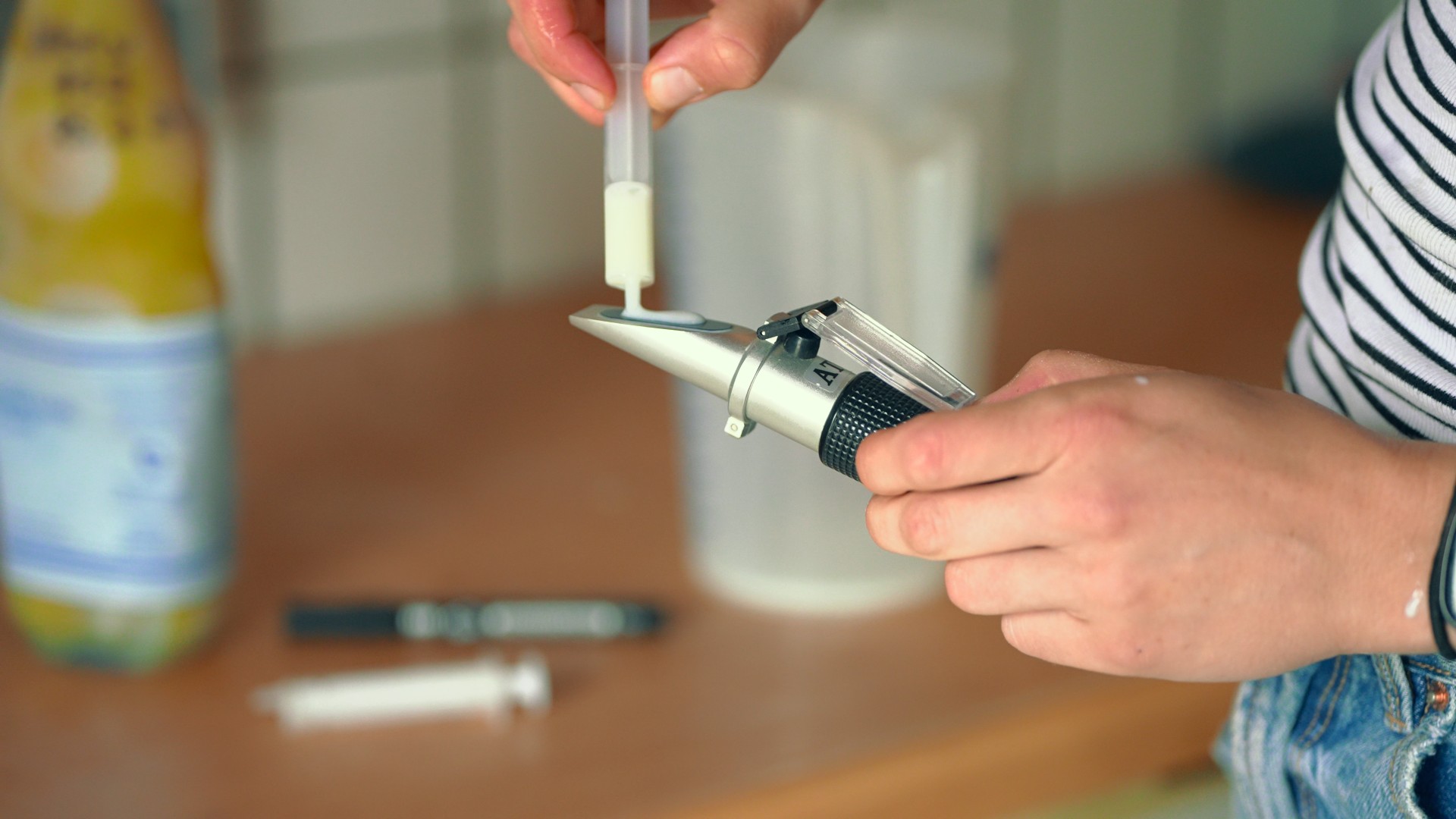
The quality of colostrum should always be checked using a refractometer.

The refractometer must be calibrated before the first measurement is taken. This is accomplished by placing a small drop of distilled water on the prism. The white line should be exactly aligned with zero. If this is not the case, the setting must be adjusted using the small screwdriver provided.
2. Checking for the passive transfer of antibodies
It is not only the quality of the colostrum that is critical, but also whether the antibodies reach the calf. This can be checked by measuring the total protein content in a calf's blood serum. A refractometer can also be used for this purpose.
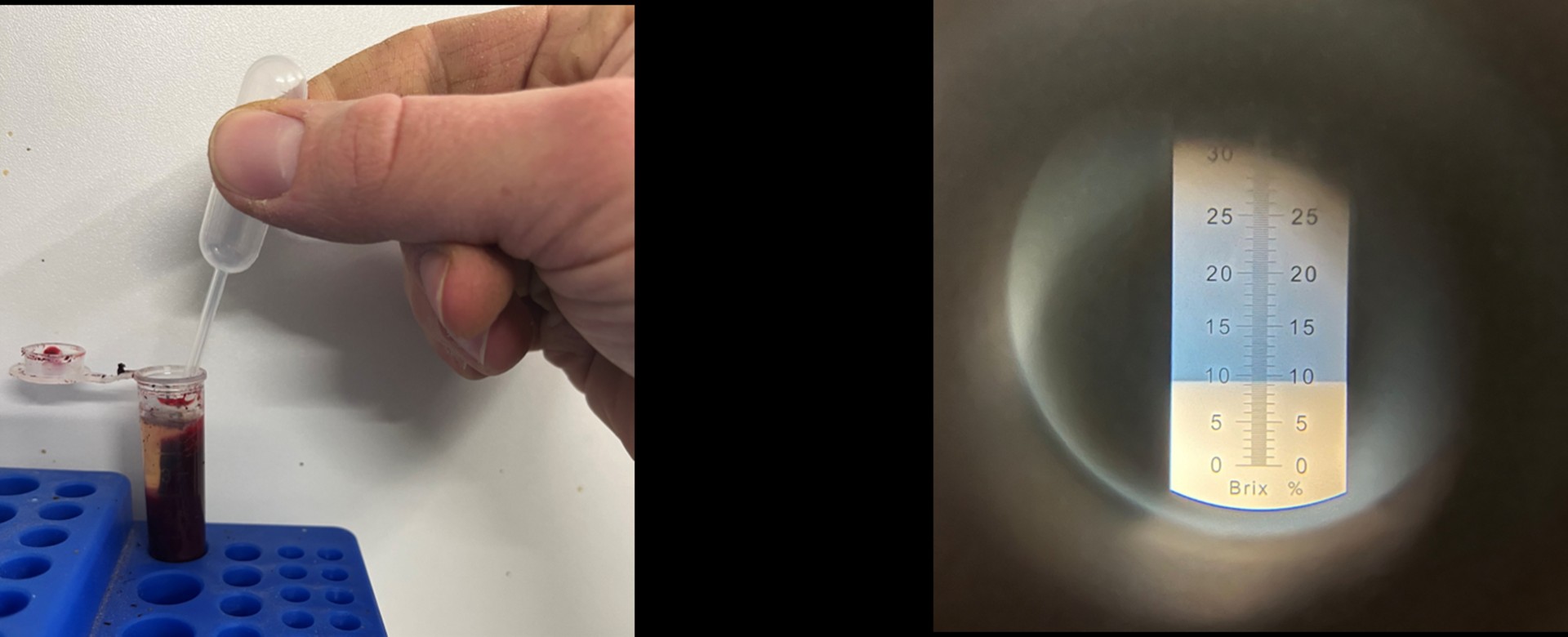
A small blood sample must be taken from the calf between 24 and 48 hours after birth. This can either be centrifuged or left to stand at room temperature for approximately 24 hours. The serum needs to have settled properly at the end of this time.
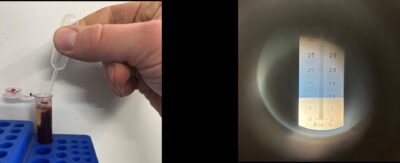
This is because it must be pipetted out and placed on the prism of the refractometer. The Brix value read should be above 8.9 for good passive transfer and above 9.4 for very good antibody transfer.
The information collected regarding colostrum intake and passive transfer needs to be documented on the farm. This is the only way of identifying weaknesses in the system and addressing them effectively.
3. Mixing powdered milk correctly: more than just ‘grams per litre’
One common mistake in practice is mixing milk replacer ‘by gut feeling’ or based solely on the grams-per-litre specification. The most common misconception here is that 140 g of powder per litre automatically equates to 14 % dry matter.
Why does 140 g of powder not equate to 14 % dry matter?
- Powdered milk contains only about 96 per cent dry matter
- It changes volume when mixed (1 g TM ≈ 0.7 ml)
- Water adds volume but no nutrients (1 g of water = 1 ml)
- The term ‘dry matter’ refers to the total mass of the finished feed
This means that the calculation is more complex than initially assumed. Even small variations (for example, 0.5% DM) can alter the osmolality of the feed and impair digestion.
4. Technology as an aid: SmartMix
Calculating the right mix is complex – but it doesn’t have to be in everyday practice. Solutions such as SmartMix, the mixing calculator on the MilkTaxi, or our online calculator can help with this.
- Calculating the correct mix
- Accounting for all influencing factors
- Option of combining milk replacer with whole milk
This saves time, reduces errors and ensures consistent quality in calf feeding.
5. Understanding growth: the key phases in calf rearing
Calves go through various phases of development, each of which has its own specific requirements:
Colostrum and transitional milk phase (approximately days 1–5)
- Boosting the immune system
- The foundation for good health
Intensive feeding phase (approximately days 6–35)
- Maximising growth potential
- Metabolic programming
- Cell division
Weaning phase (from around day 36)
- Cell growth
- Switching to dry food
- Stabilising the metabolism
Why regular weighing is vital
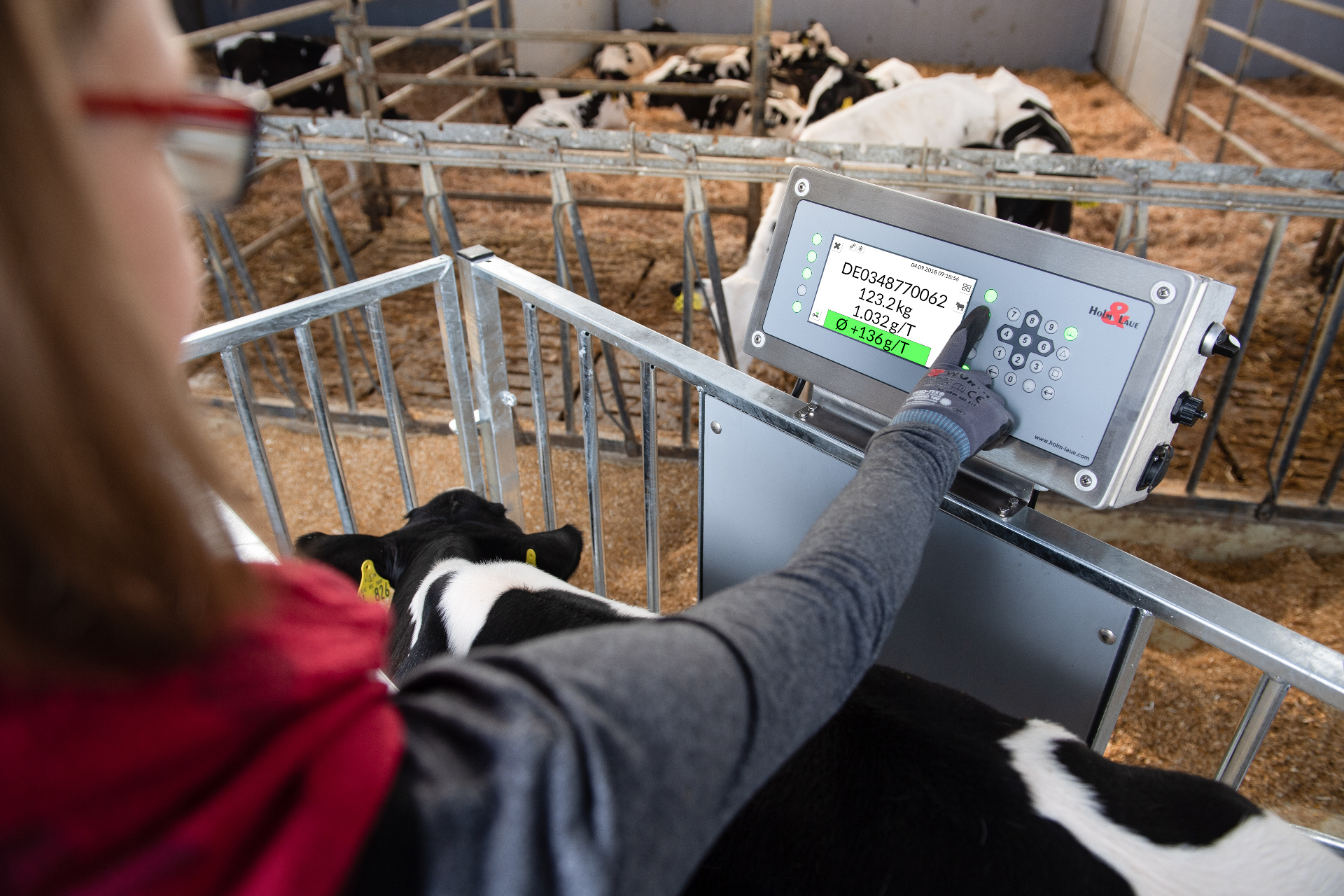
Alongside health, calf growth is the most important indicator of success in calf rearing. Weight data is a key management tool. It is perhaps the only way to document and monitor the success of good rearing.
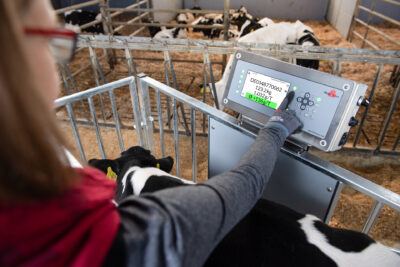
Good weight gain during the early weaning phase while metabolic programming is under way results in:
- Improved organ development
- Increased fertility
- Enhanced milk yield
Failing to weigh means operating by guesswork.
Conclusion: measure, monitor, optimise
Successful calf rearing is based on three fundamental principles:
- Measuring (colostrum, total protein content in blood serum, daily weight gains)
- Understanding (recognising relationships)
- Monitoring and optimising (targeted improvement)
Farms that consistently apply these principles lay the foundation for healthy animals and commercial success.